The AI tools worth using for SEO fall into three groups. General assistants (ChatGPT, Claude, Perplexity) do research, drafts and data analysis. Content and visibility tools (Jasper, Writesonic, God of Prompt) keep drafts on brand and track how AI answers mention you. Media tools (Leonardo, HeyGen) make the images and videos a page needs, and GigRadar covers the selling side for agencies on Upwork. Most have a free plan or trial; the paid plans below are as of November 2026, checked on each vendor's own site.
| Tool | Use it for | Free option | Paid, as of November 2026 |
|---|---|---|---|
| ChatGPT | Drafts, rewrites, data analysis | Free plan | Plus $20/month; Go cheaper, Pro tiers higher |
| Claude | Long documents, careful writing, analysis | Free plan | Pro $20/month ($17 billed yearly); Max from $100 |
| Perplexity | Research with cited sources | Free plan | Pro and Max; Enterprise Pro $40 per seat/month |
| Leonardo AI | Unique images for pages and posts | Free plan | Paid plans with more tokens |
| HeyGen | Avatar videos from a script | 3 videos/month, 1 minute | Creator $29/month ($24 billed yearly) |
| Jasper | On-brand marketing content for teams | 7-day trial | Pro $69 per seat/month ($59 billed yearly) |
| Writesonic | Tracking and fixing visibility in AI answers | Free trial | From $79/month billed yearly |
| GigRadar | AI proposals for agencies that sell on Upwork | No trial | One-time packages from $1,697 |
| God of Prompt | Prompt packs and guides for ChatGPT, Claude, Gemini | Free guides | One-time, from $20 (Complete AI Bundle $150) |
What AI SEO tools are (and aren't)
An AI SEO tool uses a language model to do part of the SEO work faster: find and group keywords, read the pages that rank and say what yours lacks, draft and rewrite copy, turn a crawl export into a fix list, or check how AI assistants answer questions about your market.
Three types matter in practice:
- General assistants: chat tools that do whatever you ask well, as long as you give them the data. They don't know your rankings unless you paste them in.
- SEO-specific tools: they combine a model with search data, so the suggestions are tied to what actually ranks.
- Visibility trackers: they ask AI assistants a set of questions every day and record whether your brand or pages show up.
What none of them do: earn trust from other sites. Rankings and AI answers both lean on pages that other sites reference. AI helps you produce the page; links and mentions are still outside work.
9 best AI SEO tools
ChatGPT
ChatGPT is the general-purpose assistant most SEO teams already have open. Where it saves real time:
- rewriting 50 titles and meta descriptions from a CSV to fit length limits;
- drafting outlines and FAQ sections from a list of real questions you collected;
- analyzing an export (Search Console queries, a crawl) with its data analysis tool and returning a sorted list;
- writing regex, scripts and structured data markup you then test.
Price: the Free plan includes unlimited text chats with the current GPT model, within abuse limits, and limited uploads, image generation and deep research. Plus costs $20/month and adds advanced reasoning, projects, scheduled tasks and custom GPTs. Go is a cheaper tier in between; Pro tiers are for heavy use. Business seats are $25/month, or $20 billed yearly.
Check every fact it gives you. A confident wrong number in a published page costs more than the time ChatGPT saved.
Claude
Claude by Anthropic is strong with long inputs and careful writing: paste a 60-page crawl export or five competitor articles and ask for the gaps, or have it edit a draft without flattening the voice. Projects keep your brand guide and product facts attached to every chat, so drafts stay consistent.
- content briefs from competitor pages you paste in;
- editing drafts for clarity and cutting filler;
- internal linking suggestions from a list of your URLs and titles;
- building small tools: a script that checks titles, a spreadsheet formula, a report template.
Price: Free plan with limited usage. Pro is $20/month, or $17/month billed yearly ($200 upfront), with more usage, projects and Claude Code. Max starts at $100/month with 5x Pro usage. Team seats are $25/month or $20 billed yearly, for teams of 2 to 150.
Perplexity
Perplexity is an answer engine: it searches the web, writes an answer and lists the sources it used. For SEO that makes it two tools in one: fast research with links you can check, and a live view of which pages an AI answer engine cites for your topic.
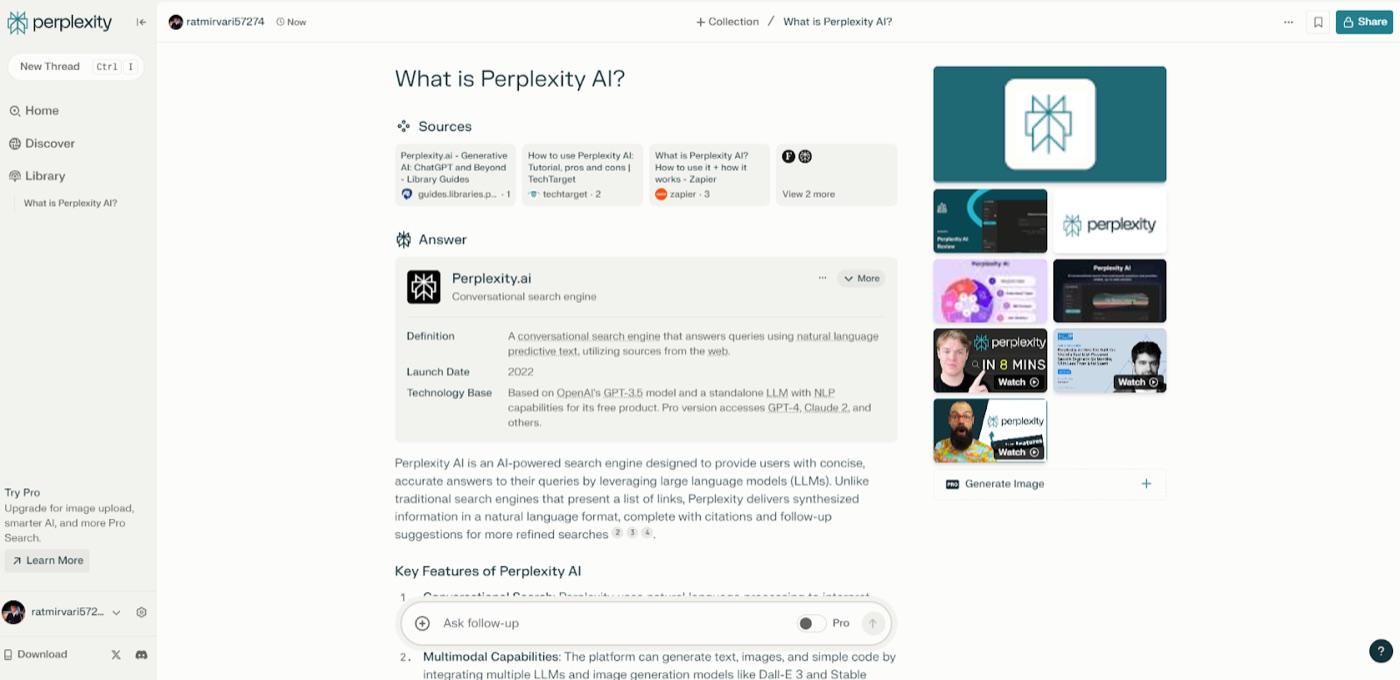
Run your main commercial questions through it and write down the cited domains. Those are the pages AI answers draw on, and getting your brand mentioned there is the practical side of AI visibility.
Price: a free plan with practically unlimited basic searches and a few Pro searches. Paid Pro and Max plans add advanced models, more Pro searches and file uploads; Perplexity doesn't publish those prices in its help center, so check the current number at perplexity.ai/pro before you subscribe. Enterprise Pro is $40 per seat per month or $400 per year.
Leonardo AI
Leonardo AI generates images: blog covers, illustrations for a how-to, product scenes, in many styles and sizes. For SEO the value is simple: original images instead of the same stock photo 300 other sites use, which helps in image search and makes the page look made for its topic.
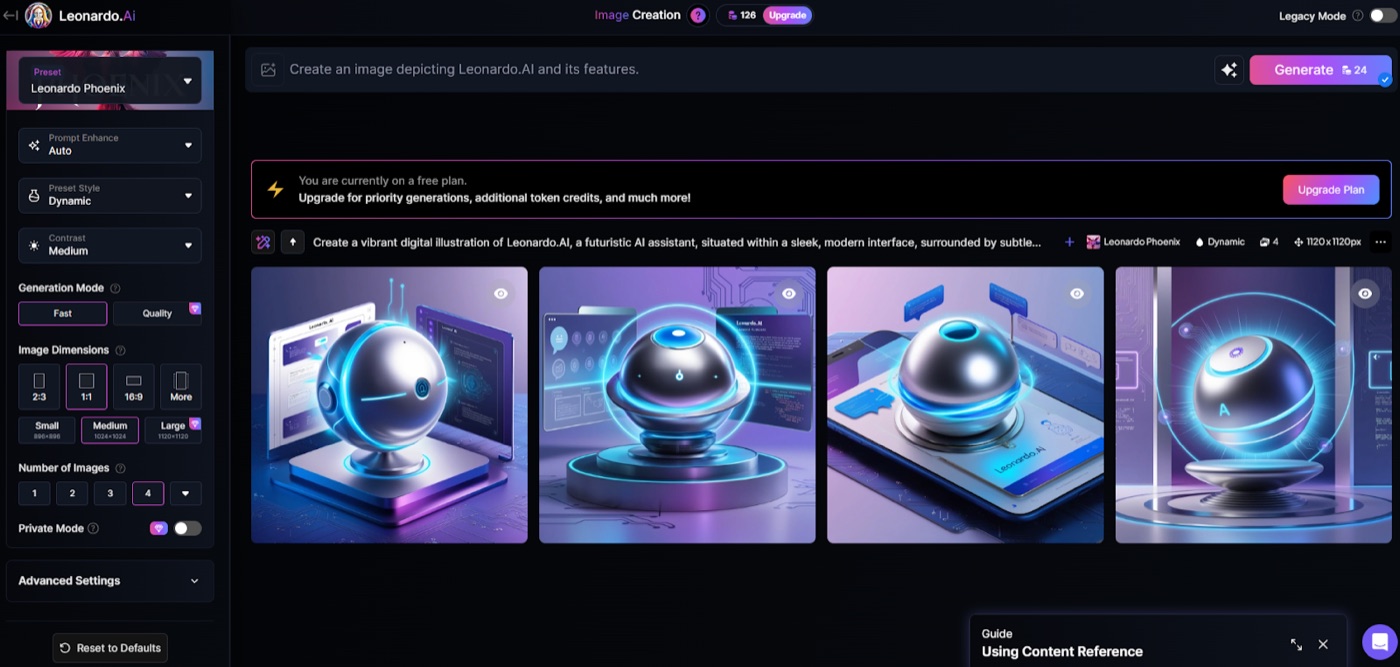
Give every generated image a real file name and alt text that says what it shows; the model won't do that for you.
Price: a free plan with a daily token allowance and paid plans with more tokens and private generations. Prices change often; check the current plans on Leonardo's pricing page.
HeyGen
HeyGen turns a script into a video with an AI avatar and voice, in many languages. Use it to add a short explainer to a key page, or to turn a post into a video for YouTube, which is a search engine of its own.
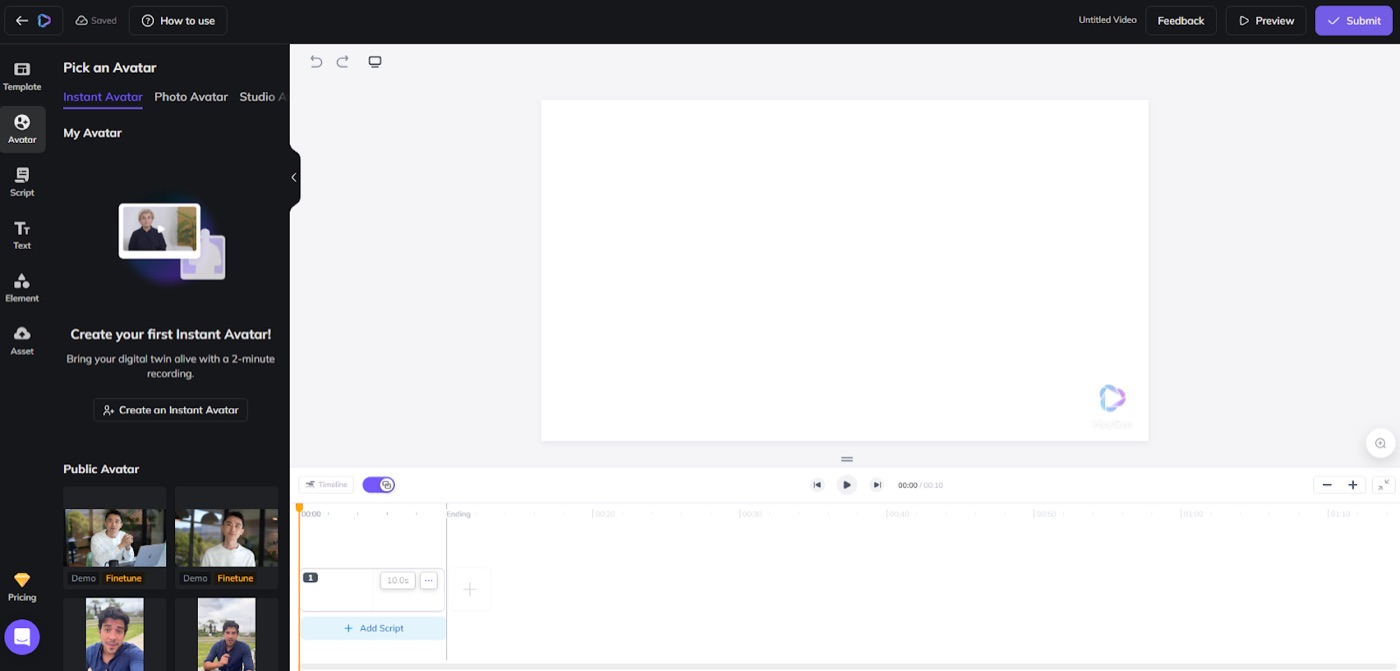
- Free: 3 videos a month, up to 1 minute each, watermarked.
- Creator: $29/month, or $24 billed yearly: 1080p, no watermark, videos up to 30 minutes.
- Pro: $49/month with 4K export. Business: $149/month plus $20 per added seat.
Jasper
Jasper is built for marketing teams that publish a lot under one brand. You load brand voices, product knowledge and audiences once, and every draft (blog post, landing page, email, ad) follows them. Agents handle repeat workflows; the Business plan adds GEO, translation and research agents and an API.
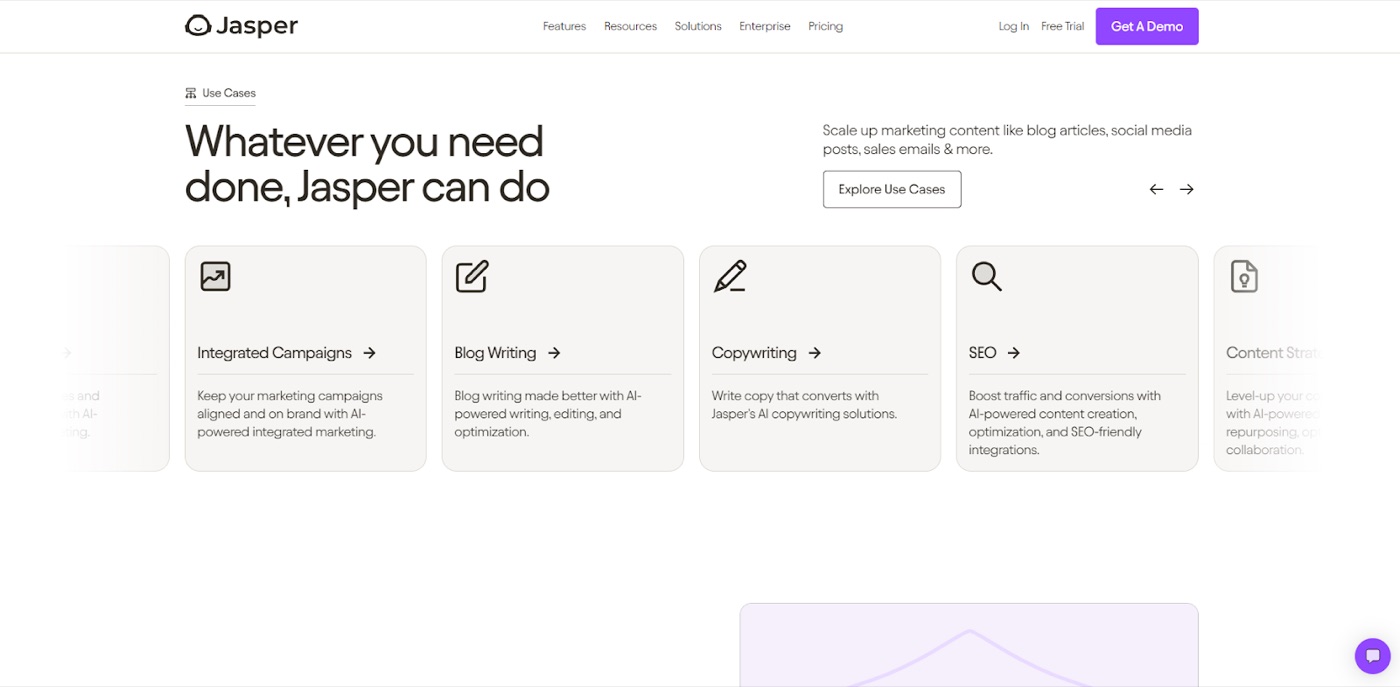
Price: Pro is $69 per seat per month, or $59 billed yearly, with 2 brand voices. Business is custom. There's a 7-day free trial of Pro. For a single site owner it's expensive; for a team with brand rules it pays for itself in fewer rewrites.
Writesonic
Writesonic started as an AI writer and is now an AI search visibility platform. It runs your prompts through ChatGPT, Gemini and Google AI Overviews every day, shows which prompts recommend competitors instead of you, and then suggests and drafts fixes: articles, site audit items, outreach targets.
- Starter: $79 a month billed yearly: 50 prompts, 15 articles a month, 10 site audits.
- Basic: $199/month billed yearly. Growth: $399/month billed yearly. Enterprise: custom, all 9 AI platforms.
- No free plan; every tier has a free trial.
Before paying for any tracker, open Search Console: since August 31, 2026 every site has Google's generative AI performance report, which counts how often your URLs appear in AI Overviews, AI Mode and Discover's AI features. It's free and it's Google's own data. Trackers add other assistants and competitor comparisons.
GigRadar
GigRadar is AI for the selling side of SEO, not the SEO itself. If your agency wins clients on Upwork, it watches the job feed, sends a tailored proposal within minutes of a job going live, and tracks which proposals turn into replies and deals. Speed matters on Upwork: the first good proposals get read.
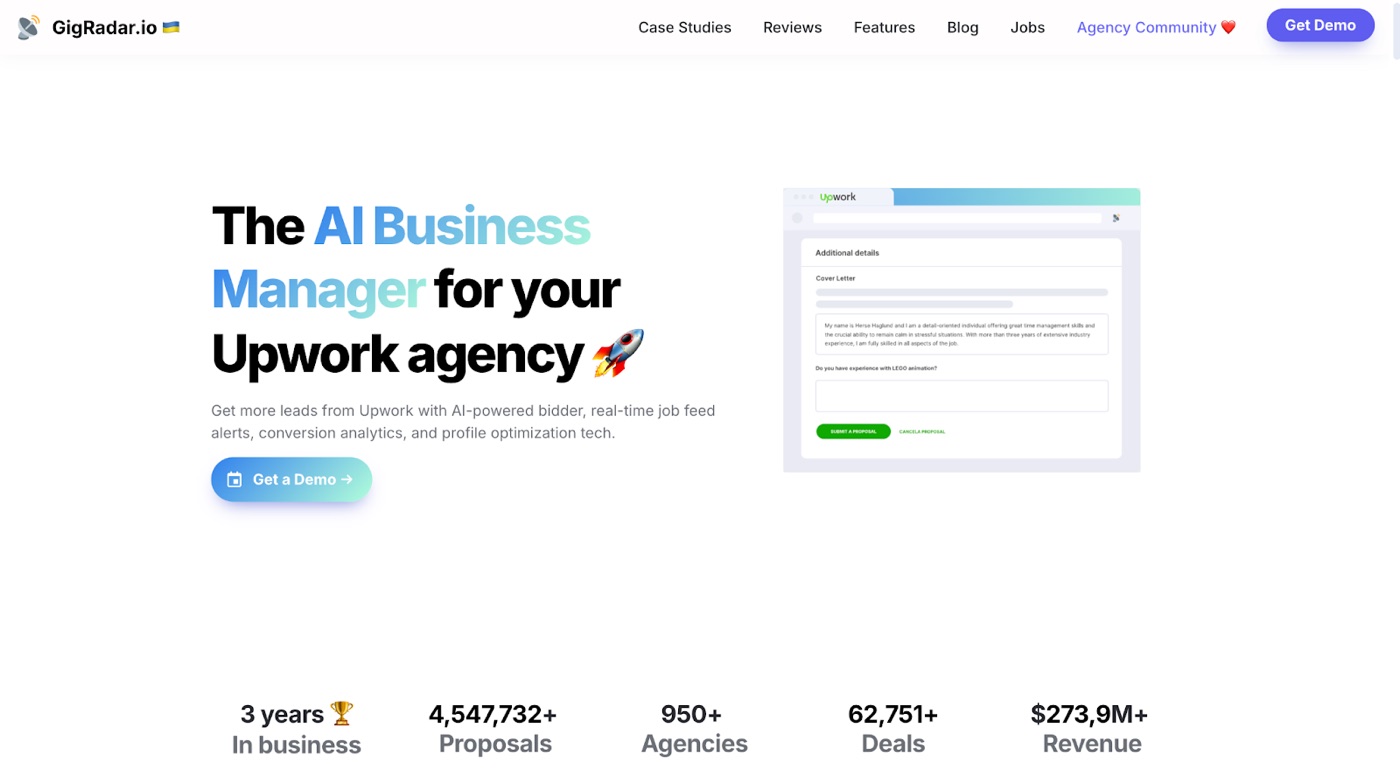
- Pricing: one-time credit packages that don't expire: $1,697 for 4,200 credits (about 2,100 proposals) or $2,497 for 7,000 credits; refills from $350. A proposal costs 2 to 11 credits depending on the AI model.
- Requirements: an Upwork Agency Plus subscription. No free trial.
Worth it only if Upwork is already a real channel for you. For agencies that do get clients there, it replaces hours of manual bidding a week.
God of Prompt
God of Prompt sells ready-made prompts and guides for ChatGPT, Claude, Gemini, Grok, Midjourney and Perplexity, organized by task: business, research, content, marketing. For SEO work the value is a head start: tested prompts for briefs, outlines, rewrites and research instead of writing every prompt from zero. There are also Custom GPT and n8n automation packs.
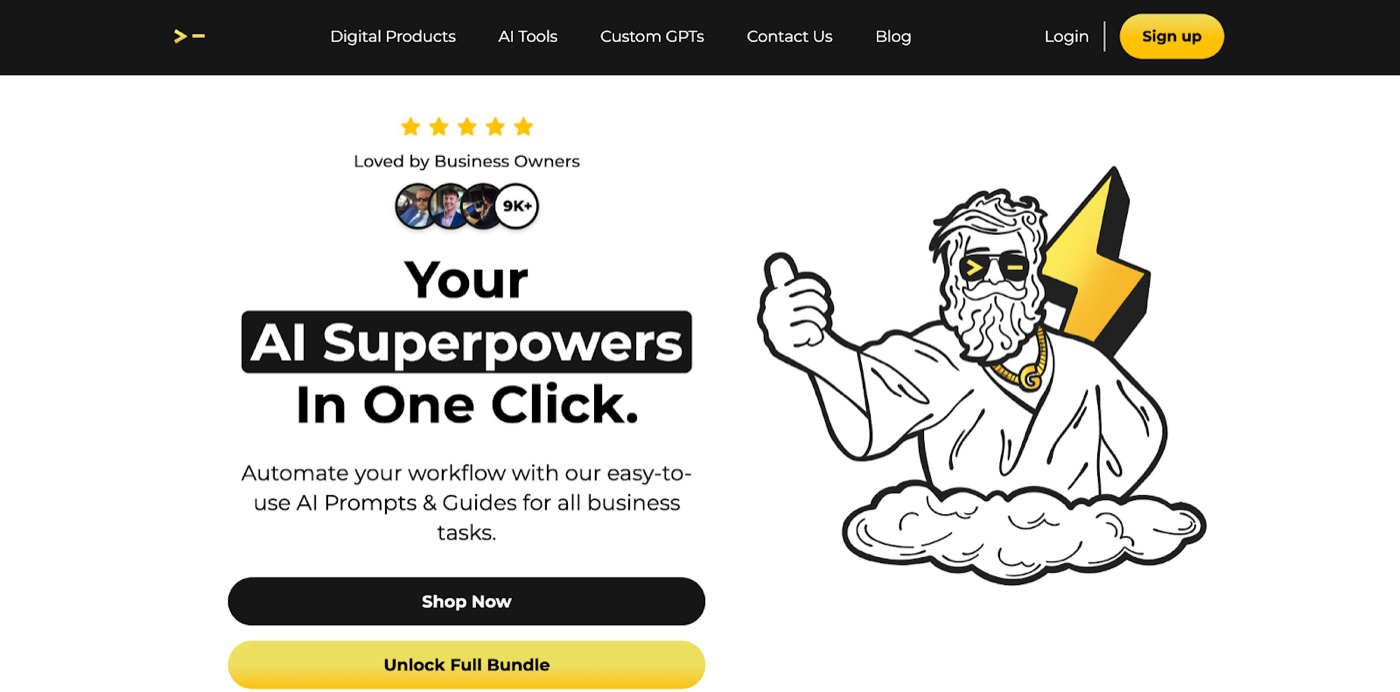
- Pricing: one-time payments with lifetime access, no subscription. AI Starter Pack $20; the Complete AI Bundle (all guides, templates, Custom GPTs, automations and future products) $150; smaller packs from $10.
- Free: free guides and courses on the site.
A prompt pack won't do your SEO for you. Use it to get consistent first drafts, then edit with your own data and examples.
How we'd put them together
- Plan: export your keywords from Search Console, ask Claude or ChatGPT to group them by intent, then check each group against the live results: keywords that share ranking pages go on one page.
- Research: ask Perplexity the questions your buyers ask and note which sources it cites.
- Draft: start from a tested prompt (your own or a God of Prompt pack), draft with Claude or ChatGPT using your own facts, then edit by hand.
- Media: one original image from Leonardo, a short HeyGen video for pages that explain a process.
- Measure: Search Console's generative AI report first, a tracker like Writesonic if you need other assistants.
Step 2 usually shows the gap no AI tool closes: the cited pages are reviews, lists and articles on other sites. Getting your brand onto those pages is placement work. That is what our AI mentions service does: we place mentions of your brand in reviews and “best X” lists on DR 50+ sites, from $549. It's a placement, not a promise that any assistant will quote you.
What to watch out for
- Facts. Models invent prices, dates and statistics with full confidence. Every number in a published page needs a source you opened yourself.
- Sameness. If you and ten competitors prompt the same model with the same keyword, you get the same article. Your own data, examples and opinions are what make a page worth ranking.
- Scaled content. Google's spam policies name "scaled content abuse": many pages made mainly to manipulate rankings, with little value for users, no matter how they're created. A hundred thin AI pages is a risk, not a strategy.
- Client data. Check whether a tool trains on what you paste before you paste client exports.
For the non-AI side of the stack, see our lists of SEO tools for small businesses, SEO software for agencies and link building tools.
FAQ
Are AI SEO tools worth paying for?
The general assistants are, for almost anyone: $20 a month saves hours of rewriting and analysis. SEO-specific tools pay off when you publish or optimize several pages a month.
Can AI replace an SEO specialist?
No. It speeds up research, drafts and analysis, but deciding what to build, checking facts and getting other sites to reference you is still human work.
Which AI SEO tools are free?
ChatGPT, Claude, Perplexity and Leonardo have free plans; HeyGen has a limited free tier; God of Prompt has free guides. Google Search Console's generative AI report is free for every site.
How do I see if AI answers mention my site?
Start with Search Console's generative AI performance report for Google's AI features. For ChatGPT and other assistants, use a tracker such as Writesonic, or ask the same questions by hand every month and log the answers.