Link building helps a site in ten concrete ways: it supports rankings, sends referral visitors, gets new pages found faster, builds authority the whole site shares, puts your brand in front of new readers and keeps working long after the work is done. Google says it "uses links as a signal when determining the relevancy of pages and to find new pages to crawl" (Google Search Central). What links can't do is fix a weak page: they make good content rank, not bad content good.
Below: what counts as a link, the ten benefits with their limits, and what has changed now that Google's spam systems and AI answers shape search.
What Is Link Building?
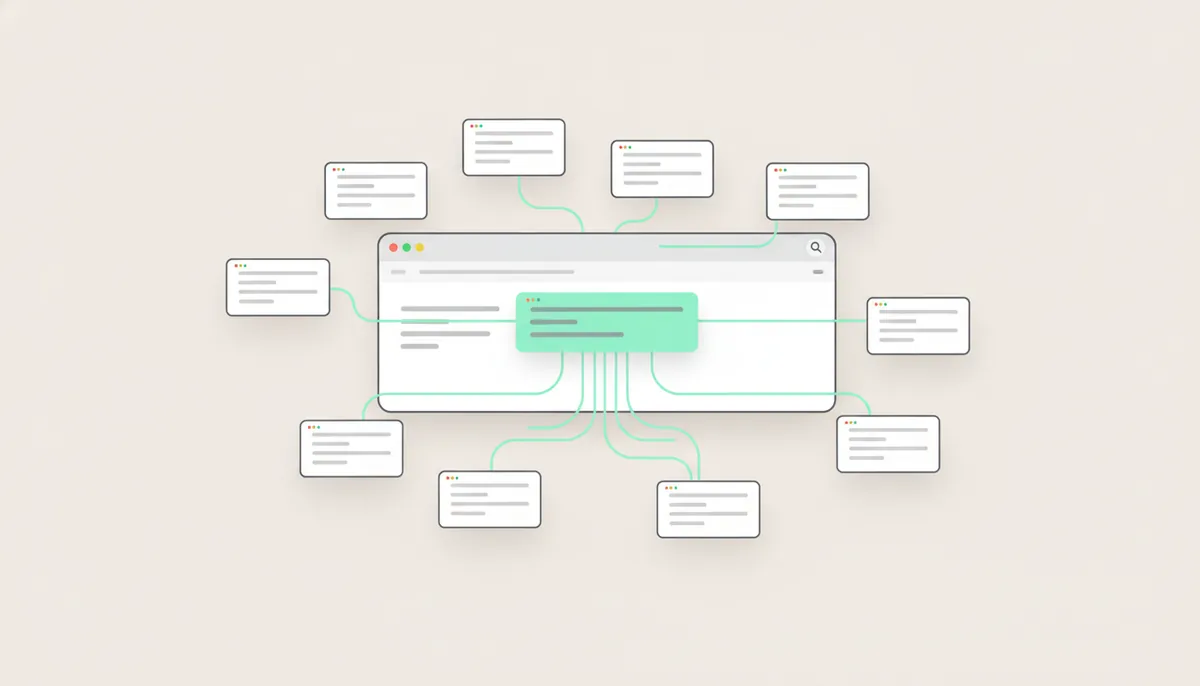
Link building is getting other sites to link to yours. Every link is a path: readers follow it to your page, and search engines use it to find the page and judge what it's about and how much to trust it.
Why It Matters in SEO
Google's ranking systems guide lists link analysis among its systems, including PageRank, which it describes as still part of its core ranking systems (ranking systems guide). Links are not the only thing that matters, and no one outside Google knows their exact weight. What we see across niches: in competitive results, the pages on top usually have more relevant links than the ones below them.
Types of Links
- Editorial links: a site links to you because your page helps its readers. The kind everyone wants and nobody can order.
- Guest posts: an article on another site with a link to yours. The most controllable way to get a link from a relevant site.
- Links in existing articles (niche edits): your link added to a page that is already published and indexed.
- Paid links: any link exchanged for money or goods. The price buys a placement, not quality: the same money gets a link on a niche site with real readers or on a link farm Google ignores (spam policies). Vet the site, not the offer.
- Link exchanges: two sites link to each other. Occasional ones between real partners are normal; Google's policies name "excessive link exchanges" as link spam.
- Social and forum links: usually carry rel="ugc" or nofollow. Little ranking value, but they get your content seen, and that leads to editorial links.
- Directories and business listings: useful for local businesses and customers who search there. Google's policies list low-quality directory links as link spam, so stick to the main ones.
- Internal links: links between your own pages. They spread the value of your backlinks to the pages that need it.
- Outgoing links: links from your site to others. They don't raise your rankings, but they make your content more useful.
One note on nofollow: since 2019, Google treats nofollow, sponsored and ugc as hints rather than strict rules (Google Search Central Blog). Followed links from relevant sites still do the heavy lifting.
10 Benefits of Link Building for SEO
1. Better Positions in Search Results
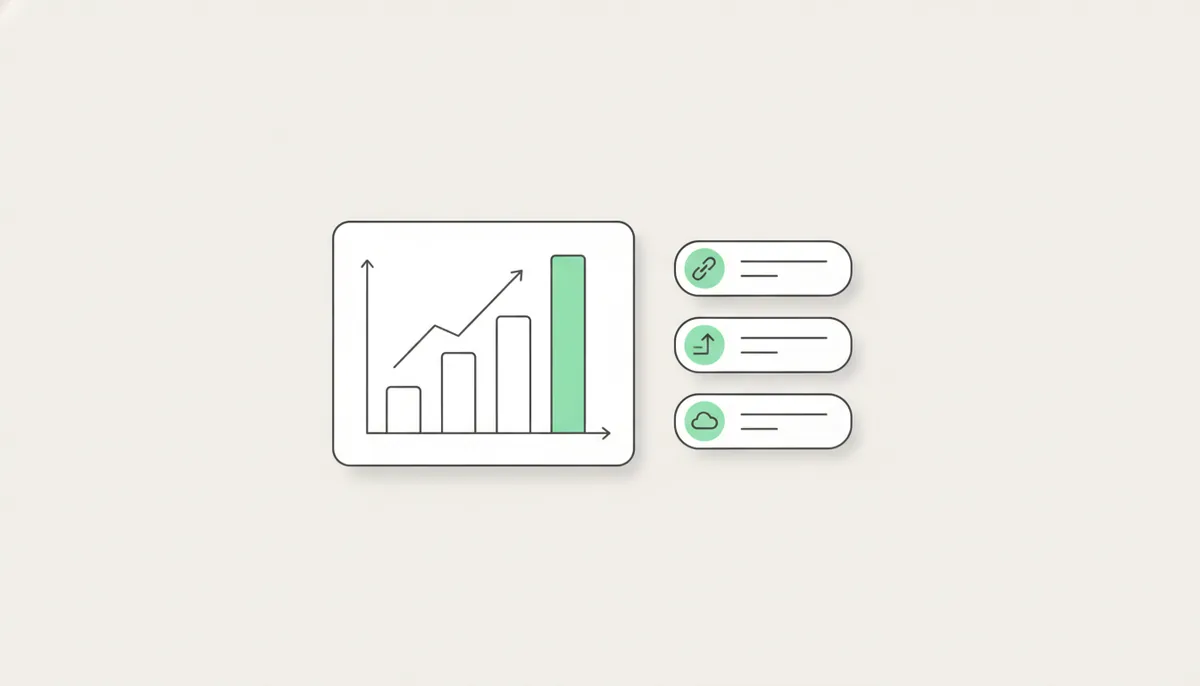
The main reason anyone builds links. When relevant sites link to a page, it becomes a stronger candidate for the searches it targets. The effect is largest where pages compete on similar content, which is most commercial searches.
2. More Organic Traffic to the Pages That Sell
Rankings are only worth something if they bring visitors. Point links at the pages that make money (services, categories, product comparisons) and the traffic that follows is traffic that can buy. Links to a blog post you don't monetize are nice; links to the pages that sell pay the bills.
3. Referral Visitors From the Link Itself
A link in a relevant article sends readers directly, independent of your rankings. A link on a site with real organic traffic in your topic does both jobs. That's why we only place links on sites with real monthly organic traffic, 1K+ at the lowest tier: a site no one visits sends no one.
4. A One-Time Cost That Keeps Working
Ads stop the moment the budget stops. A link is paid for once, in money or in hours, and keeps working as long as it stays live. It's not free: links take months to pay off and some get removed. Over a year or two, though, a good link is usually one of the cheaper sources of steady traffic a site can buy.
5. Authority the Whole Site Shares
Links to one page help the rest of the site through internal links. A homepage or a popular guide with strong links can pass some of that strength to the service pages it links to. Plan internal links so authority flows where you need rankings.
6. Brand Reach
A placed article puts your name in front of a new audience on a site they already trust. Readers who see your brand on two or three sites in their topic start to recognize it, and some of them later search for it directly. Brand searches are a nice side effect of good link building; don't count on them as the main return.
7. A Lasting Effect
Most links stay up for years and keep passing value. Not all: sites get redesigned, articles get deleted, links get changed to nofollow. Check your links regularly. We check every link we place daily, and if one is removed or set to nofollow within 12 months, we replace it for free.
8. Faster Discovery of New Pages
Google finds new pages by following links. A new page linked from a strong, frequently crawled site gets found sooner than one that waits in a sitemap. This matters most for new sites and large ones that add pages often.
9. An Advantage Competitors Can't Copy Quickly
A competitor can copy your page structure, prices and content in a week. A link profile built over two years takes them two years. That's what makes links one of the more durable advantages in SEO.
10. Other SEO Work Pays Off
Content and technical SEO decide whether a page deserves to rank; links help it actually do so in a crowded result. Without links, a great page on a new site can sit on page three. With them, the content work you have already paid for starts to return.
What Has Changed in Link Building
Two things changed the game in the last few years: Google got much better at ignoring bad links, and AI answers became a new place where sites can appear.
SEO Reality Now
- Bad links are ignored, not just punished. With the December 2022 link spam update, Google said SpamBrain can detect "sites used for the purpose of passing outgoing links", and that credit from unnatural links is lost (Google Search Central Blog). Cheap links from link farms now mostly do nothing. More on what counts as clean in white hat link building.
- AI answers draw on the same results. Google says there are "no additional requirements" to appear in AI Overviews or AI Mode beyond being indexed and eligible for a snippet, and that SEO best practices still apply (AI features and your website). Pages that rank well are the pages AI answers can cite.
The Role of Links in Ranking
Links work as a filter, not a magic number. A relevant link from a real site with real readers confirms that a page is worth showing. A pile of links from sites that link to everything confirms nothing. Quality, relevance and a natural pace matter more than ever, because quantity alone is what the spam systems are built to discount.
If you also want your brand named in AI answers, the pages those answers draw on (top-ranking guides and comparison articles) are worth a placement of their own; that's what our AI mentions are for, from $649.
How to Get These Benefits
- Relevance first. A link from a site in your topic, in an article about your topic, beats a stronger site that has nothing to do with you.
- Real traffic. Check that the linking site gets organic visitors and that the trend isn't falling off a cliff.
- Natural anchors. Mostly brand names, URLs and plain phrases. The same keyword-rich anchor in every post is a pattern spam systems look for.
- A steady pace. A few links every month look like a business people talk about. Fifty in one week look like a purchase.
- Different kinds of sources. Guest posts, links in existing articles, media, listings and earned links together look more natural than any one type alone.
- Link to the right pages. Pick the pages you need to rank and plan for them.
- Monitor. Know when a link disappears; here are the backlink monitoring tools worth using.
For the how, see the best link building strategies and how to get backlinks. If you are weighing whether SEO is worth it at all for a small company, read is SEO worth it for small business.
FAQ
What is the main benefit of link building?
Better rankings for the pages you link to. Google uses links as a signal of a page's relevance, so relevant links help pages compete in crowded results. Referral traffic and brand reach come on top.
How long do the benefits last?
As long as the links stay live, which for most good links is years. Some get removed or changed to nofollow, so check them regularly.
Can link building hurt my site?
Bad links mostly get ignored, which wastes the money. Patterns that look like link schemes (link farms, mass exchanges, the same keyword anchor everywhere) can lead to a manual action. If you inherited a spammy profile, here is how to disavow backlinks.