Link building matters because links are one of the main ways search engines decide which of many similar pages to trust. Google says it "uses links as a signal when determining the relevancy of pages and to find new pages to crawl" (Google Search Central), and PageRank, one of its link analysis systems, is still part of its core ranking systems. When two pages are equally good, the one that relevant sites link to usually wins. That's the whole idea; the rest is detail.
Below it's explained simply, with examples, plus what has changed now that AI writes much of the web and AI answers sit on top of the results.
What Is Link Building?
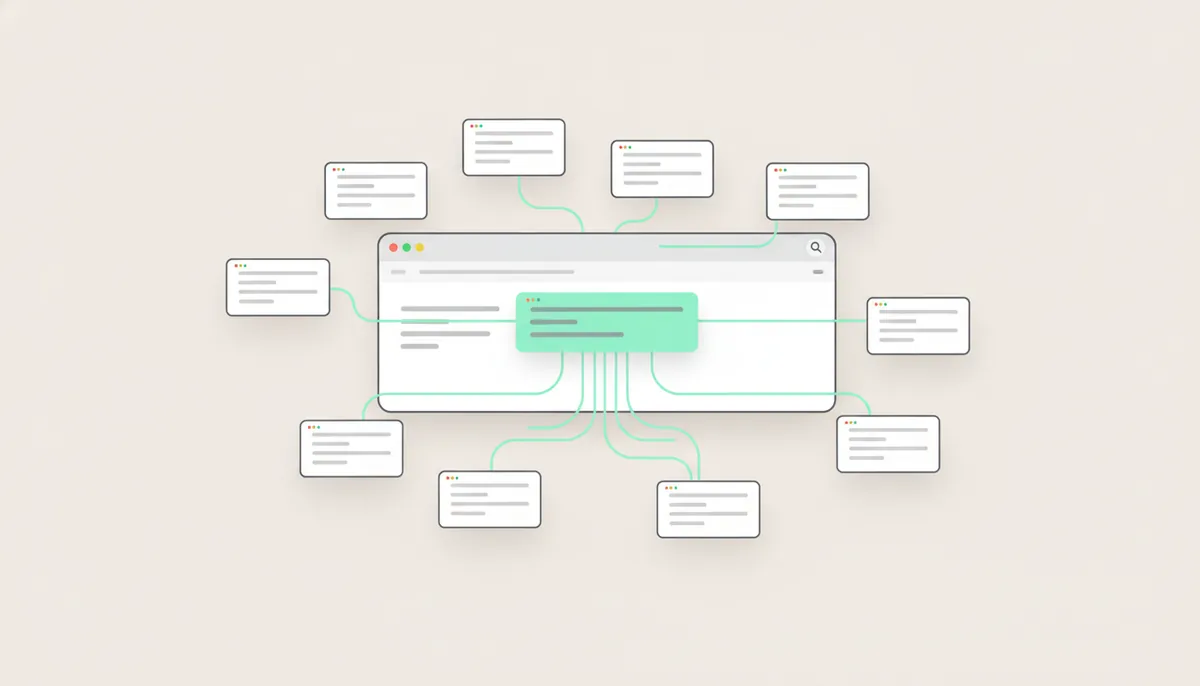
Link building is getting other websites to link to yours. Those links are called backlinks. Think of each one as a reference: when a site links to you, it tells its readers, and search engines, that your page is worth a look.
Not every reference counts the same. A recommendation from a respected person in your field means more than one from a stranger who recommends everyone. Links work the same way: a link from a relevant site with real readers, placed in an article on your topic, means far more than links from sites that exist to sell links.
To compare sites, SEO tools estimate link strength on a 0–100 scale: Domain Authority (from Moz), Domain Rating and similar scores. They're useful shortcuts for comparing sites, and we name our price tiers after them (DR 30+, DR 50+ and so on). They are third-party estimates, not Google's numbers. Treat them as a rough guide, and always check that the site has real organic traffic too: a high score with no visitors is a warning sign.
Why Link Building Is Important
Positions in Search Engines
Here is a simple example. Two plumbing companies in the same city each have a good page for "emergency plumber". Similar content, similar speed, similar reviews. One is linked from the local news site, the chamber of commerce and a home improvement blog. The other has no links. Google has every reason to trust the first one more, and it usually shows it higher.
Links don't replace a good page. They decide the order among good pages, which in most commercial searches is exactly where the competition is.
Organic Traffic
Higher positions mean more clicks: the first few results get far more clicks than results further down. So a link that moves a page from position 8 to position 3 can matter more than any other change you make to it. It also works the other way: a link to a page that targets searches nobody makes changes nothing. Point links at pages that match what people search for.
Increasing Customers and Sales
Links help sales in two ways. Indirectly, by helping the pages that sell rank for the searches buyers make. Directly, by sending readers: a link in an article about choosing running shoes sends people who are about to buy running shoes. That's why we only place links on sites with real organic traffic (1K+ a month at our lowest tier): the article gets read.
Authority and Trust
Links are also how a new site stops being a stranger. Another example: a new accounting software company publishes a good guide to small business taxes. Without links, it sits behind guides from sites that have been cited for years. Once a few finance blogs and a business news site link to it, it becomes a candidate for the top results, and the authority it gains helps the rest of the site through internal links.
Standing Out in a Crowded Web
Anyone can publish a decent article in minutes now. What can't be produced in minutes is other real sites choosing to reference you. As content gets cheaper, that difference matters more, not less.
Link Building in the Age of AI Search
AI-Generated Content
- More pages, same number of top spots. When thousands of similar pages compete for the same search, signals from outside the page, like links, help separate them.
- Mass content is a policy problem. Google's spam policies cover scaled content abuse: pages "generated for the primary purpose of manipulating search rankings", no matter how they're created (spam policies). The same goes for links: the link spam policy covers "low-value content primarily for the purposes of manipulating linking and ranking signals".
Changes in Search Engine Algorithms
- Quality beats quantity. With the December 2022 link spam update, Google said SpamBrain can detect "sites used for the purpose of passing outgoing links", and that credit from unnatural links is lost (Google Search Central Blog). Cheap links from link farms now mostly do nothing.
- AI answers draw on pages that rank. Google says there are "no additional requirements" to appear in AI Overviews or AI Mode beyond being indexed and eligible for a snippet, and that SEO best practices still apply (AI features and your website). Links that help a page rank also help it become a source AI answers can cite.
Links and the Reader
- Relevance. A link in an article is good when the reader wants to click it. That's the test editors use, and the one that keeps a link from looking placed.
- Internal links. Links between your own pages help readers find the next step and spread the value of your backlinks to the pages that need it.
What Google Says, and What the Statistics Don't
You will find many statistics about link building online: "X% of marketers say links are the top factor", surveys from years ago, correlation studies on old data. Most can't be checked and many are outdated, so we don't repeat them. What Google publishes is clear enough:
- Links are a signal for relevance and discovery (link best practices).
- Link analysis, including PageRank, is part of its core ranking systems (ranking systems guide).
- Links "primarily for the purpose of manipulating search rankings" are link spam (spam policies), and its algorithms and manual actions "aim to nullify these unnatural links at scale" (link spam update).
Our own take, after years of building links: links rarely rescue a weak page, but they are often the difference between a good page on page two and a good page on page one. Relevance and real traffic on the linking site matter more than any authority score, and a steady pace beats a big burst. For the practical side, see the benefits of link building, the best link building strategies and how many backlinks you need to rank.
FAQ
Why is link building important?
Google uses links as a signal of which pages are relevant and trustworthy, so among similar pages, the ones relevant sites link to tend to rank higher. Links also send visitors and help search engines find new pages.
What is the main goal of link building?
To help the pages you care about rank for the searches your customers make, by getting links from relevant sites with real readers.
How do I find high-quality websites for link building?
Start with the sites that link to the pages ranking for your keywords: here is how to find competitor backlinks. Then check each one for real organic traffic, a topic that matches yours and real editorial content. Our free Link Scout report does the first step for you: every site that started linking to the leaders in your niche in the last 6 months, sorted into free to get, paid placement, and likely link farms to skip.
Is link building still important with AI answers?
Yes. Google says AI Overviews and AI Mode have no extra requirements beyond normal Search eligibility, and the pages that rank are the pages those answers can draw on.